

NTNU and Can Tho University Advance Cooperation to Develop Future Technology Talent
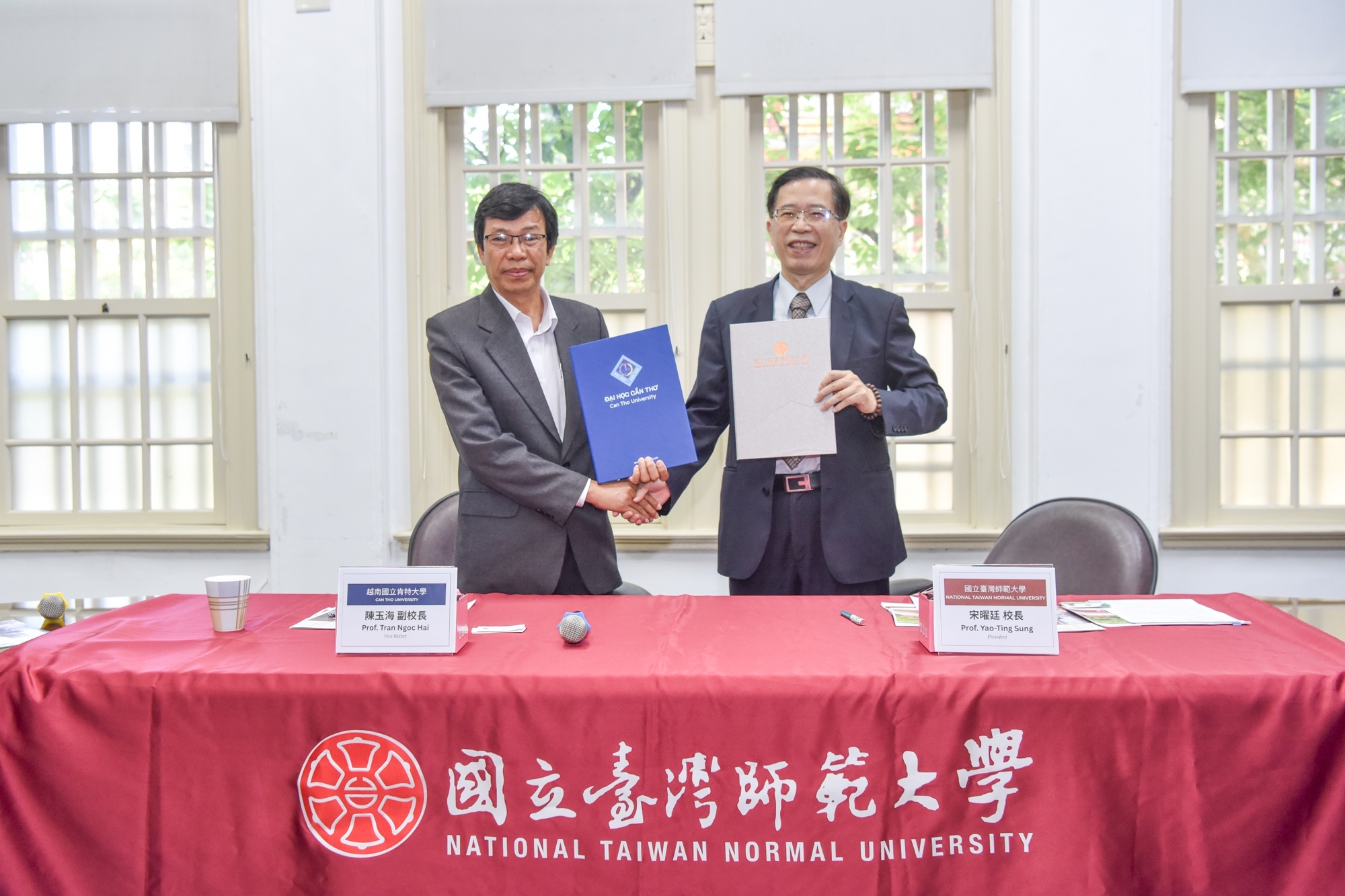
National Taiwan Normal University (NTNU) signed a university-level Memorandum of Understanding (MOU) with Can Tho University (CTU), Vietnam, on 26 May, marking a new milestone in Taiwan–Vietnam higher education cooperation. Building on an existing foundation of collaboration, the two universities will further expand academic exchange, research cooperation, and talent development, with a focus on artificial intelligence, semiconductors, engineering technology, and interdisciplinary innovation.
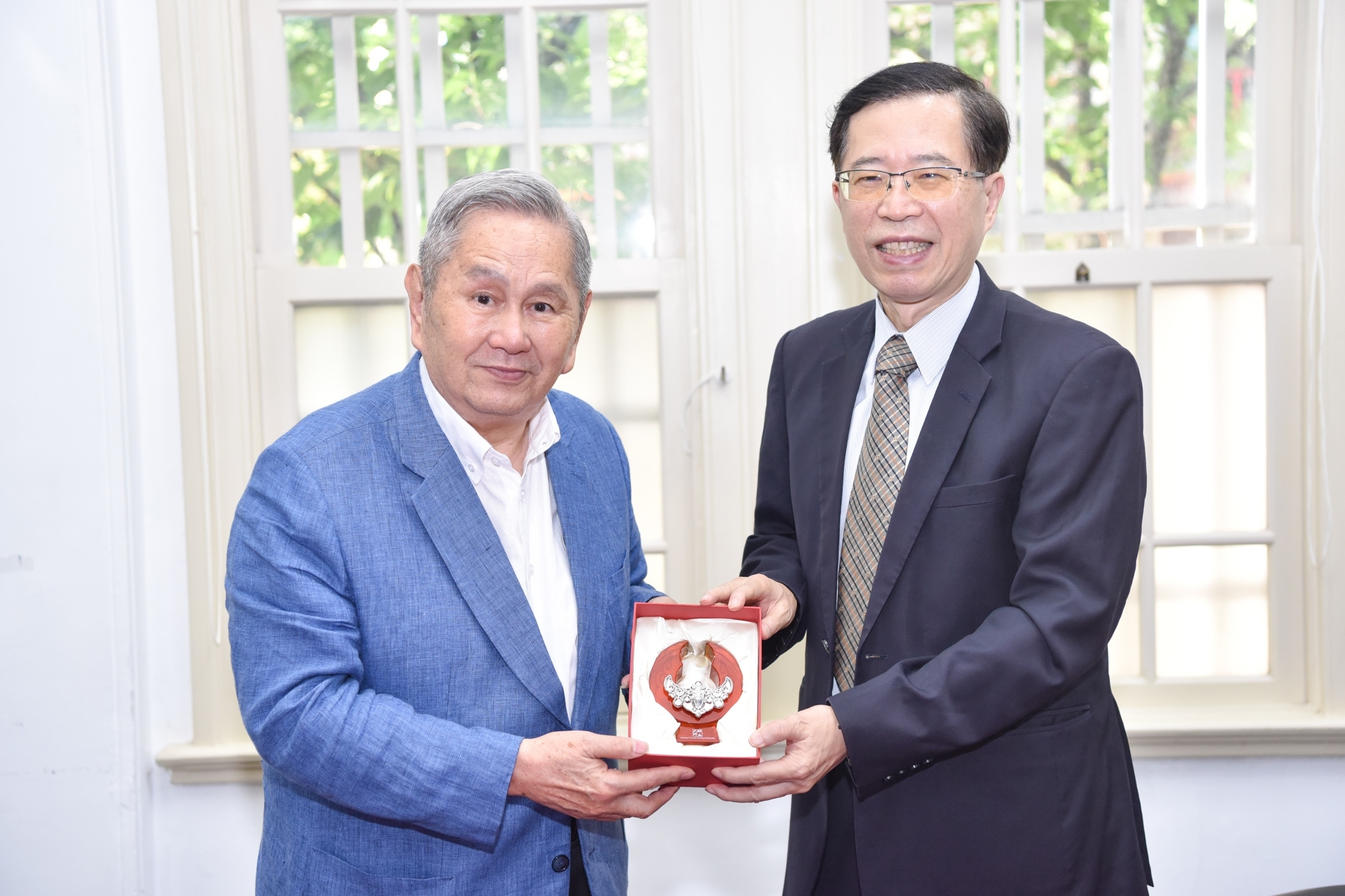
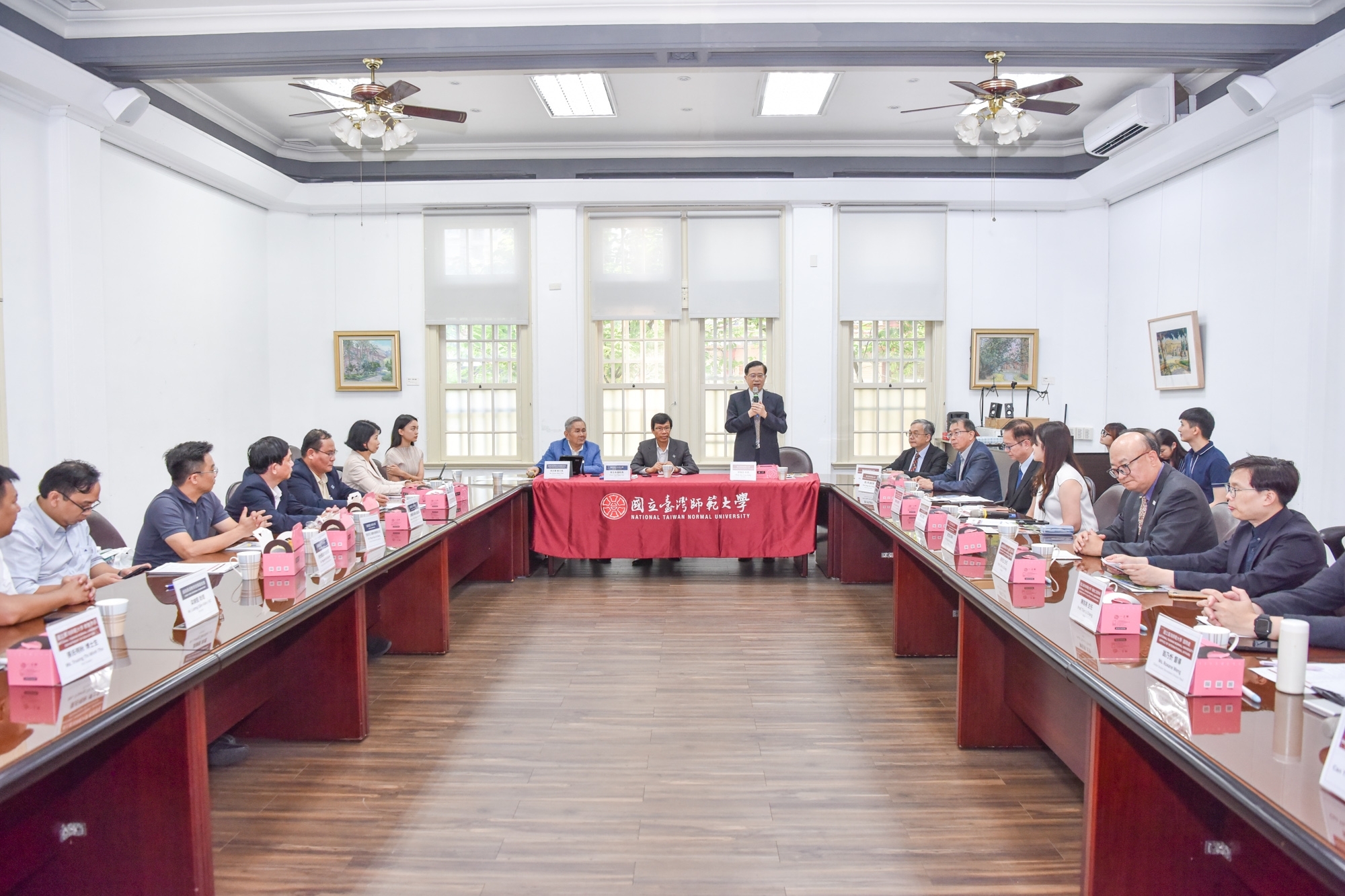
CTU Vice President Prof. Tran Ngoc Hai led a delegation that included CTU senior administrators and faculty from the Department of Science, Technology and Innovation, College of Engineering Technology, Faculty of Automation Engineering, and Department of External Relations and Global Education. Mr. Wen-Chu Hsien, Chief Executive Officer of the Chen-Yung Memorial Foundation (CYMF), also joined the meeting, reflecting the foundation’s continued support for Taiwan–Vietnam talent development initiatives. NTNU President Yao-Ting Sung and CTU Vice President Tran Ngoc Hai signed the university-wide MOU on behalf of their respective institutions. NTNU representatives in attendance included Executive Vice Presidents Hsueh-Chih Chen, Shao-Hsi Chang, and Stephen J.H. Yang; Dean Jein-Shan Chen of the College of Science; Dean Wen-Chung Kao of the College of Interdisciplinary Industry-Academia Innovation; and faculty and administrators from the Department of Mechatronic Engineering, Department of Electrical Engineering, and Office of International Affairs. President Sung stated that the signing not only formalizes the partnership between the two universities, but also reflects their shared commitment to international higher education cooperation, technology talent cultivation, and cross-cultural exchange. He noted that CTU has long played a key role in Vietnam’s Mekong Delta region, with strong contributions to talent development, regional advancement, and academic research. NTNU, meanwhile, continues to promote internationalization and interdisciplinary education while strengthening partnerships with higher education institutions across Southeast Asia. According to NTNU statistics, the number of Vietnamese degree students at NTNU increased from 146 in 2023 to 274 in 2025, with particularly strong growth among graduate students. More Vietnamese students are now pursuing master’s and doctoral studies in science, engineering, and AI-related fields, including computer science, electrical engineering, physics, chemistry, technology, and AI applications. This growth demonstrates NTNU’s increasing international appeal in technology and interdisciplinary talent development. Since 2025, NTNU and CTU have jointly advanced the Lion Leap Program, which focuses on talent cultivation and industry-academia collaboration in AI, semiconductors, and advanced technologies. The newly signed MOU signals that this cooperation is moving toward a more institutionalized and long-term framework. Several CTU alumni are currently pursuing master’s degrees at NTNU, with more students expected for enrollment next September in programs such as chemistry, information and computer education, management, and European cultures and tourism. The Lion Leap Program has also established a comprehensive talent development pathway, including short-term study in Taiwan, semiconductor summer programs, degree articulation, and scholarship support. The initiative has already supported CTU scholars visiting Taiwan for academic exchange and students pursuing graduate study at NTNU. Looking ahead, NTNU will continue to work with CTU, industry partners, and foundation collaborators to deepen Taiwan–Vietnam links in AI, semiconductors, and advanced technology talent development. Through academic research, student and faculty exchange, and industry-academia cooperation, NTNU aims to cultivate globally competitive international talent and create new opportunities for higher education collaboration between Taiwan and Southeast Asia.