

2026.0911
National Taiwan University System Marks 10 Years of Cross-University Collaboration
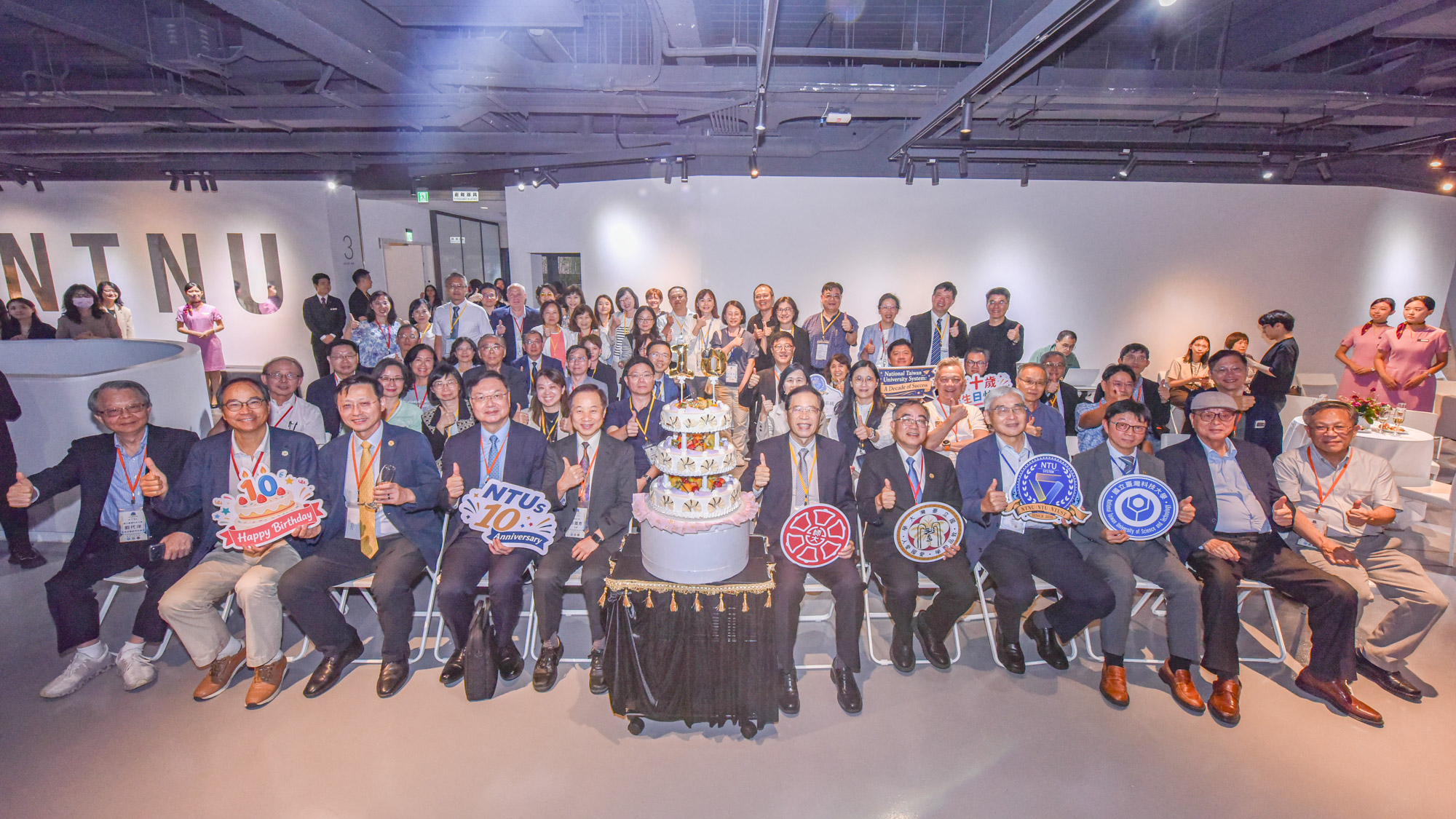
National Taiwan University (NTU), National Taiwan Normal University (NTNU), and National Taiwan University of Science and Technology (Taiwan Tech) marked the 10th anniversary of the National Taiwan University System (NTUS) on September 11 at the NTNU Art Museum. Current and former presidents and vice presidents of the three universities, along with faculty members who have contributed to the development of the system over the past decade, gathered to reflect on ten years of collaboration and look ahead to its next phase.
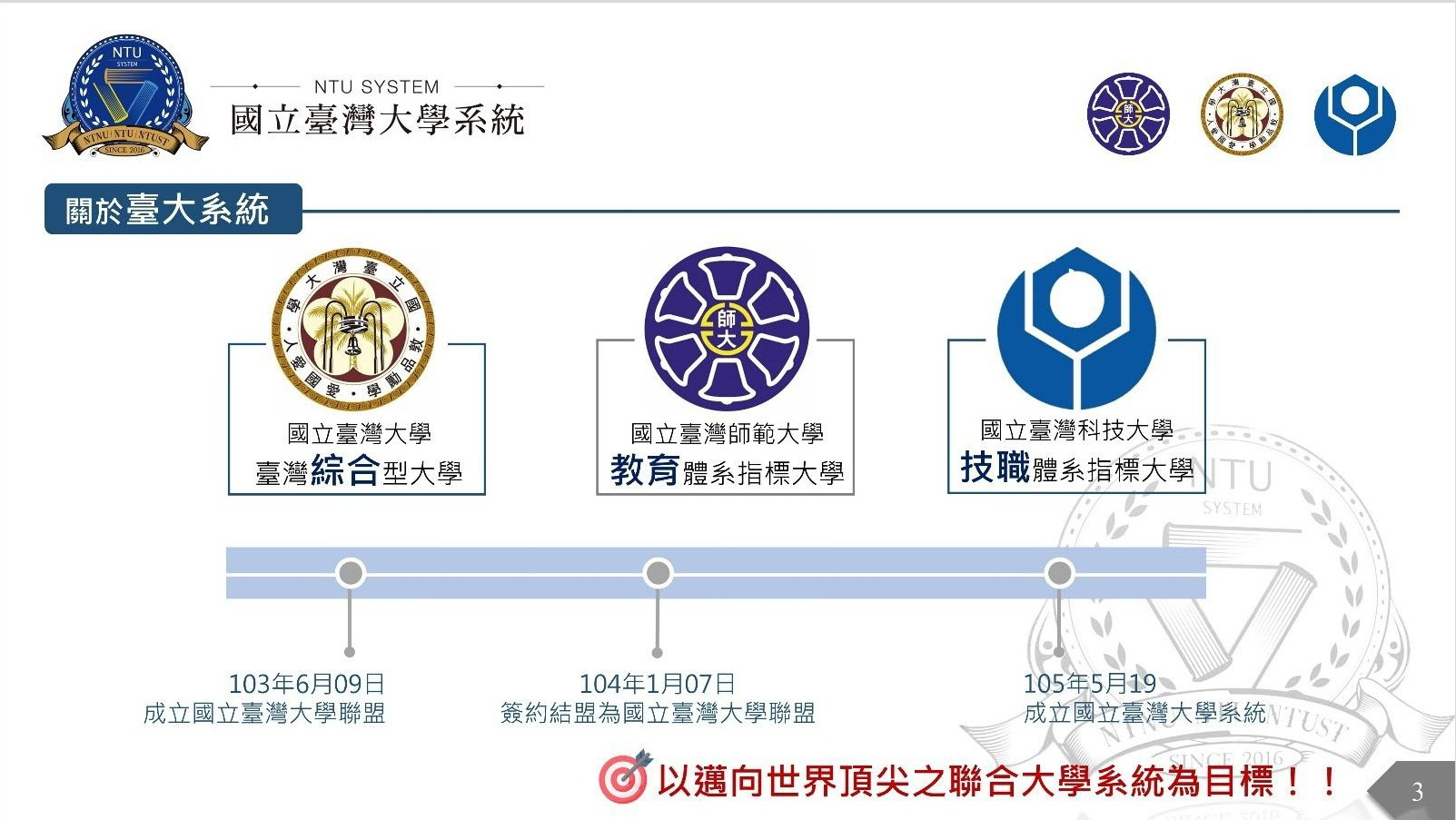
The three universities signed a letter of intent in 2014, initially introducing cross-university course enrollment and shared library resources. A formal cooperation agreement followed in 2015, and the Ministry of Education approved the establishment of NTUS in March 2016. Over the past decade, the three universities have expanded their collaboration across teaching, research, international affairs, student affairs, and administration, developing a model for inter-university cooperation in Taiwan’s higher education sector.
Former NTU President Pan-Chyr Yang, one of the early advocates of the partnership, delivered congratulatory remarks in a prerecorded video. Former NTNU President and current Tunghai University President Kuo-En Chang and former Taiwan Tech President and current Yuan Ze University President Ching-Jong Liao also attended the celebration, together with former presidents and vice presidents Ching-Ray Chang, Tei-Wei Kuo, Ching-Hua Lo, Yung-Hsiang Ying, and Day-Yang Liu.
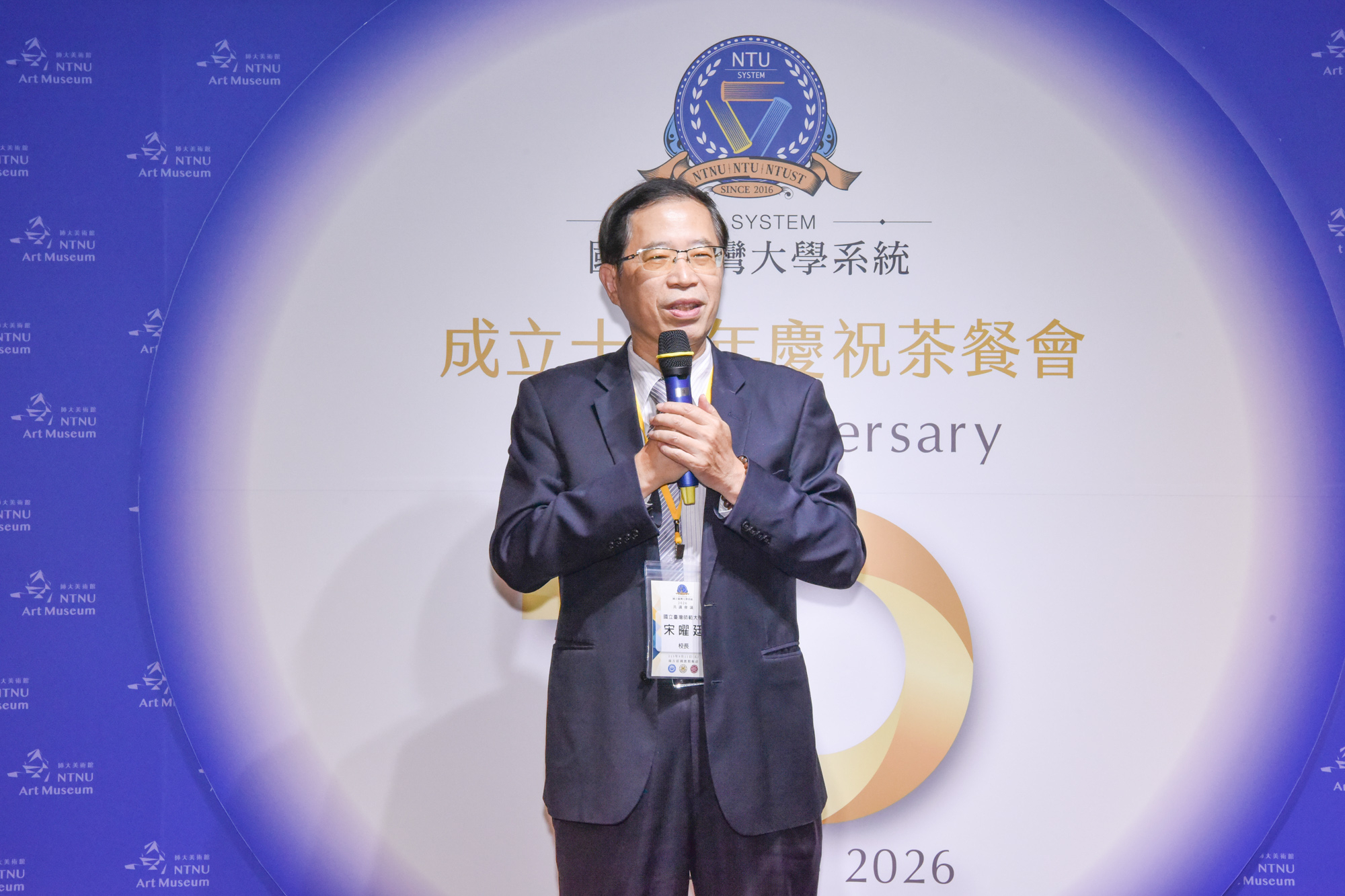
NTU President Wen-Chang Chen, NTNU President Yao-Ting Sung, and Taiwan Tech President Jia-Yush Yen delivered remarks on behalf of the three universities. The ceremony concluded with the three presidents cutting an anniversary cake together to celebrate the milestone.
More Than 72,000 Cross-University Course Enrollments
Enabling students to study across campuses has become one of the most visible achievements of NTUS. From the 2016–17 to 2025–26 academic years, cross-university course enrollments among the three institutions totaled 72,614, with participation showing steady growth.
Since the 2023–24 academic year, the three universities have expanded their academic cooperation beyond cross-university credit programs to include cross-university minors and double majors, as well as pathways allowing eligible students to proceed directly to doctoral study across institutions. These options give students greater flexibility to pursue courses and research opportunities according to their academic interests and career plans.
In the 2025–26 academic year, the three universities collectively offered 98 credit programs, 57 departments open to cross-university minors, and 43 departments open to cross-university double majors.
Research collaboration has also been a major component of the system. Since 2015, the three universities have jointly supported the Young Scholars Innovative Collaborative Research Program, with each institution contributing annual funding to encourage early-career faculty from different universities to form research teams. The program is designed to promote resource sharing and academic exchange while building the foundation for larger interdisciplinary research projects.
Over the years, the initiative has supported a total of 501 collaborative projects, with outcomes including SCI, SSCI, and A&HCI publications, achievements in technology and design competitions, patents and technology transfers, industry-academia collaboration, as well as contributions to industrial development and student employment. In 2026, 12 proposals were submitted, with seven selected for funding.
Sharing Libraries, Digital Resources, and Research Facilities
Resource sharing under NTUS extends beyond courses to libraries, information services, and research facilities.
The three universities introduced a shared library access service in September 2014. As of July 2026, 118,171 users had registered for the service, while cross-campus library visits had reached 369,374 and the total number of books borrowed across institutions stood at 139,063. The system allows students and faculty to make greater use of the collections and learning spaces available at all three universities.
Digital resource sharing has also continued to expand. The information centers of the three universities have established wireless network roaming across campuses, allowing students and faculty to connect to Wi-Fi when visiting another NTUS institution.
From January through July 2026 alone, cross-campus wireless network use reached 779,318 connections, up 28.7 percent from 605,433 during all of 2025. Computer classrooms are also available to students and faculty from partner institutions, further extending access to teaching and research resources across campuses.
Expanding Student Exchange, Career Development, and International Cooperation
Cooperation among the three universities has expanded beyond teaching and research to include student exchange, career development, and international engagement.
In recent years, the universities have jointly participated in activities including the NTU Azalea Festival, NTU Art Festival, NTU Career Fair, NTNU International Cultural Festival, Taiwan Tech welcome events, NTUS sports events, overseas summer programs, and overseas study visits. These activities provide students with additional opportunities to interact across campuses.
The three universities have also collaborated on campus recruitment, career development programs, and employment initiatives for international students in Taiwan. During the 2025–26 academic year, the VISION 2026 NTU Campus Recruitment company information sessions attracted approximately 5,098 participants, further connecting students from the three universities with career opportunities and industry resources.
International cooperation has become another major area of development. In 2025, the three universities participated together for the first time under the National Taiwan University System identity at the QS Asia Pacific Higher Education Summit, where they operated a joint booth showcasing their work in research, international collaboration, and education.
The universities have also jointly organized recruitment and talent outreach activities in Japan, India, South Korea, Malaysia, and Vietnam. Delegations have visited universities, startups, and incubation organizations and held admissions events to explore opportunities for overseas recruitment, student exchange, research cooperation, and industry partnerships.
In Malaysia, NTUS has also worked with local high schools to establish an international high school alliance, further extending educational connections between the university system and overseas schools.
Building on a Decade of Resource Sharing
Over the past decade, NTUS has developed closer mechanisms for administrative cooperation. University administrators regularly exchange experience and explore joint initiatives in areas including energy conservation, teacher education, AI applications in university administration, and university-level advanced placement programs. A cultural foundation also supports joint activities, young scholar research, lectures, and other initiatives across the three universities.
What began with cross-university course enrollment and shared library access has gradually expanded to teaching, research, international exchange, student affairs, career development, information services, and administrative cooperation.
Building on this foundation, NTU, NTNU, and Taiwan Tech will continue to expand cross-university teaching and research, international connections, and student development. As the National Taiwan University System enters its next decade, the three institutions aim to deepen their complementary strengths and develop new opportunities through sustained collaboration.