

NTNU Chemistry Team Presents Blue Biometallurgy Research in Switzerland, Exploring Marine Metal Recovery Through Protein Nanotechnology
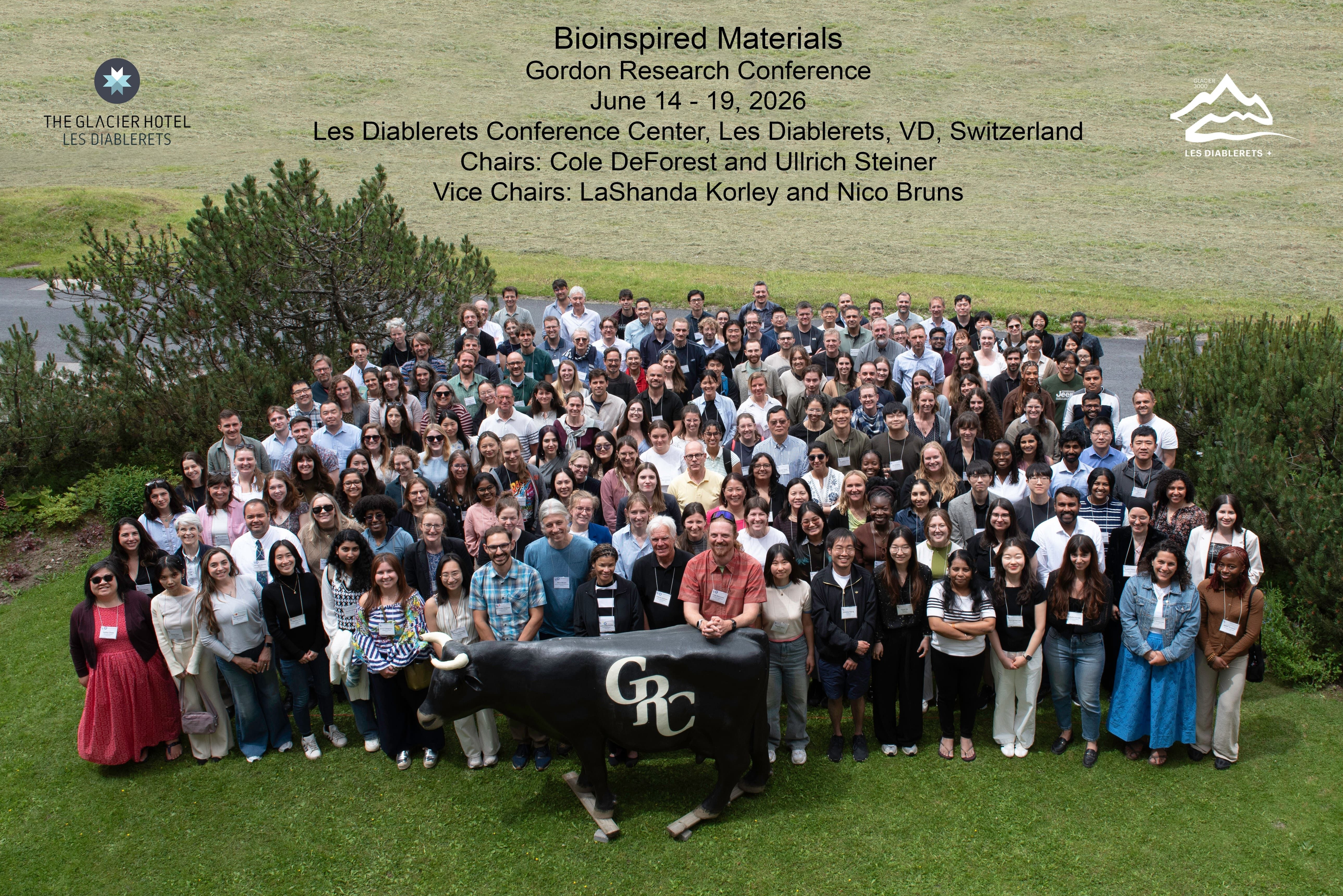
A research team led by Assistant Professor Yane-Shih Wang of the Department of Chemistry at National Taiwan Normal University (NTNU) presented its Blue Biometallurgy research at the Gordon Research Conference on Bioinspired Materials, held June 14–19 in Les Diablerets, Switzerland. Part of the internationally recognized Gordon Research Conferences (GRC) series, the meeting brought together scientists from around the world for in-depth discussions on advances in bioinspired materials.
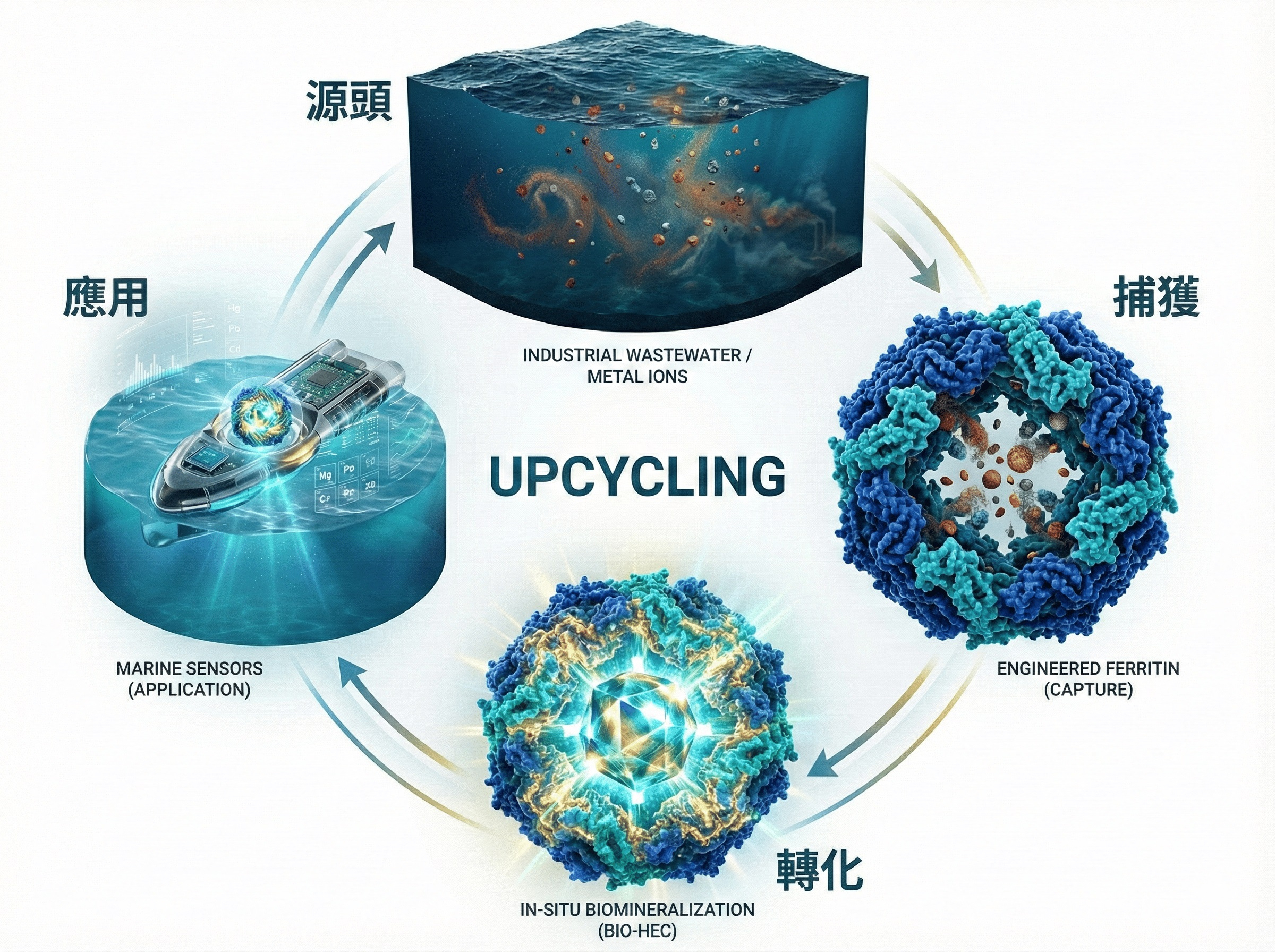
Supported by Taiwan’s Ocean Affairs Council, the research draws inspiration from the metal-rich waters of Yin-Yang Sea on Taiwan’s northeastern coast. By engineering protein nanocages to capture copper, the team is exploring a sustainable approach to marine metal recovery that could eventually integrate environmental monitoring with resource recovery. The presentation highlighted how Taiwan’s distinctive coastal environment can inspire innovations in Blue Biometallurgy and bioinspired materials.
Engineered Ferritin Nanocages for Copper Capture
Located near Shuinandong on Taiwan’s northeastern coast, Yin-Yang Sea is known for its distinctive water coloration caused by acidic, metal-rich drainage containing copper and iron. While these conditions present environmental monitoring challenges, they also offer opportunities to explore sustainable metal capture and resource recovery.
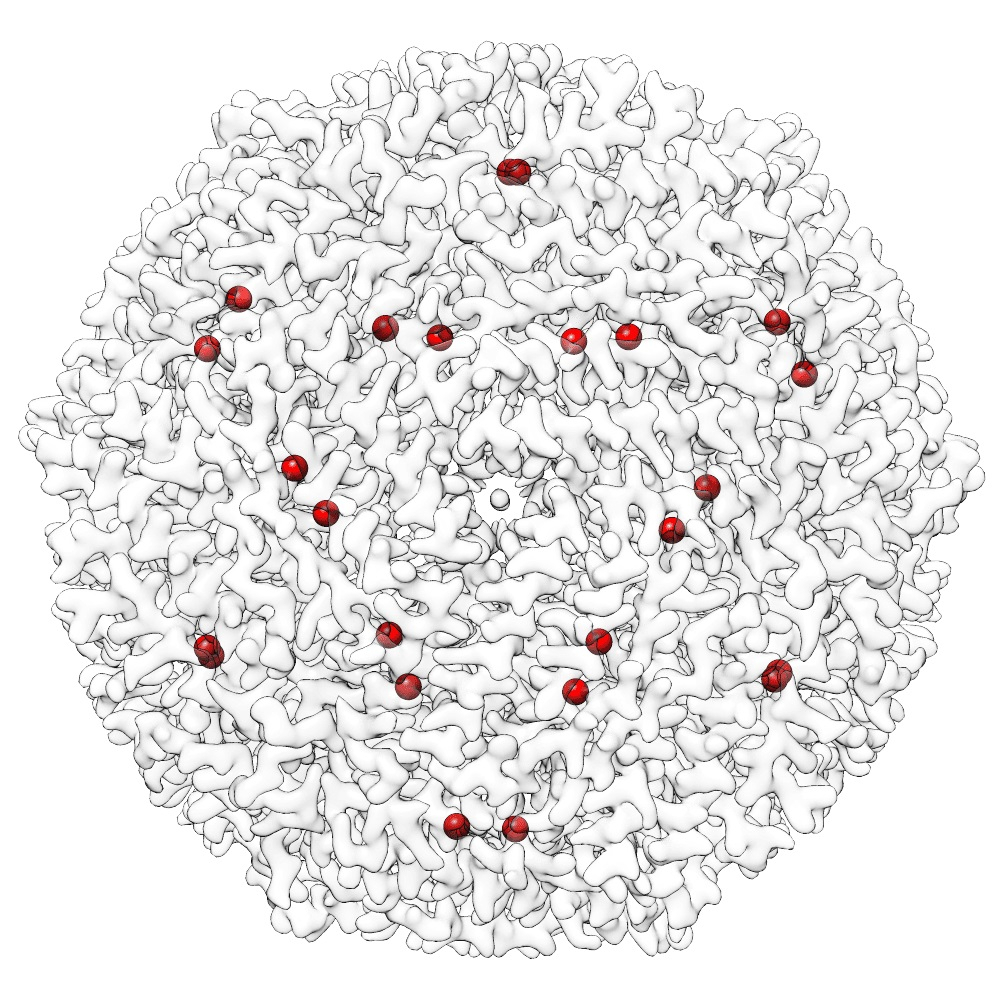
Inspired by this environment, Wang’s team engineered human ferritin, a naturally occurring iron-storage protein, into hollow nanocages approximately 12 nanometers in diameter. Through protein engineering, the researchers incorporated noncanonical selenium-containing amino acids at specific sites to create metal-binding sites and promote controlled mineral nucleation.
Using electron paramagnetic resonance (EPR) spectroscopy, the team obtained experimental evidence that the engineered nanocages could capture copper at different temperatures. These findings highlight the potential of ferritin-based nanotechnology for targeted metal capture and future applications in marine resource recovery.
Integrating environmental monitoring with sustainable metal recovery
Conventional metal extraction can involve energy-intensive processing, elevated temperatures, and the use of strong acids. In contrast, the team’s blue biometallurgy approach investigates metal capture and mineral formation under ambient conditions, including in seawater at room temperature. To support future field applications, the researchers developed a low-cost passive sampling module. Tests showed that the module retained more than 90% of the protein over 72 hours of immersion, with no detectable leakage.
The team also established baseline sampling data at five coastal sites in northeastern Taiwan. Structural analyses conducted using facilities at the National Synchrotron Radiation Research Center confirmed that the engineered nanocages maintained their structural integrity in solution. Together, these findings provide a foundation for further evaluating the technology’s performance and feasibility under real-world marine conditions. The researchers aim to develop a system that could eventually combine environmental monitoring with metal resource recovery.
The presentation in Switzerland highlighted NTNU’s interdisciplinary approach to addressing environmental challenges through protein engineering, materials science, and marine technology. Building on research inspired by Taiwan’s distinctive coastal environment, Wang’s team will continue refining its engineered nanocages and evaluating their potential for practical applications. The research aims to advance Blue Biometallurgy as a sustainable approach to marine environmental monitoring and metal resource recovery.