


NTNU Students Explore Saisiyat Culture and Traditions Through Community Visit
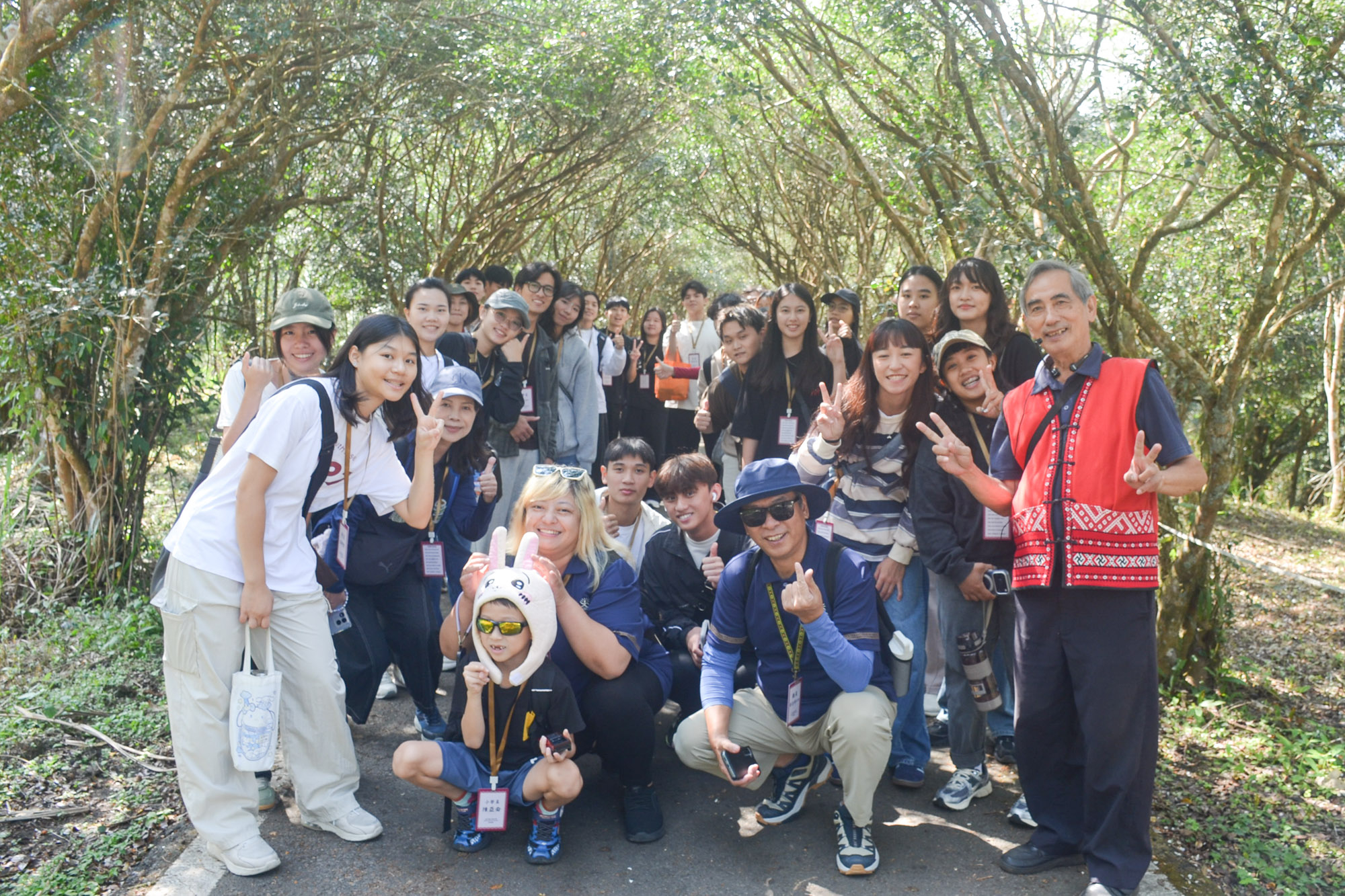
National Taiwan Normal University’s (NTNU) Indigenous Student Resource Center organized a cultural field trip on October 31, bringing 40 students, faculty and staff to Xiangtian Lake and the Walo community in Nanzhuang Township, Miaoli County. Through guided forest walks, traditional food experiences, ceremonial bell-making workshops and exchanges with community members, participants explored the Saisiyat people's Pas-ta'ai , oral traditions and ecological knowledge. The visit also provided opportunities for students from different cultural backgrounds to deepen their understanding of Taiwan's Indigenous cultures.
NTNU's longstanding commitment to Indigenous education for all, noting that cultural understanding extends beyond classroom learning. By visiting Indigenous communities and engaging directly with their members, students can develop intercultural awareness and a deeper appreciation of different ways of life.
Exploring Saisiyat Ritual Traditions and Ecological Knowledge at Xiangtian Lake
The Saisiyat people traditionally inhabit areas around Wufeng Township in Hsinchu County and Nanzhuang Township in Miaoli County, where their cultural practices are closely connected to the surrounding forests.
At the Saisiyat Museum near Xiangtian Lake, participants explored exhibitions of traditional textiles, everyday objects and ceremonial artifacts. Displays featuring the legend of the Thunder Woman and swastika motifs in traditional weaving illustrated connections between Saisiyat oral traditions and textile designs.
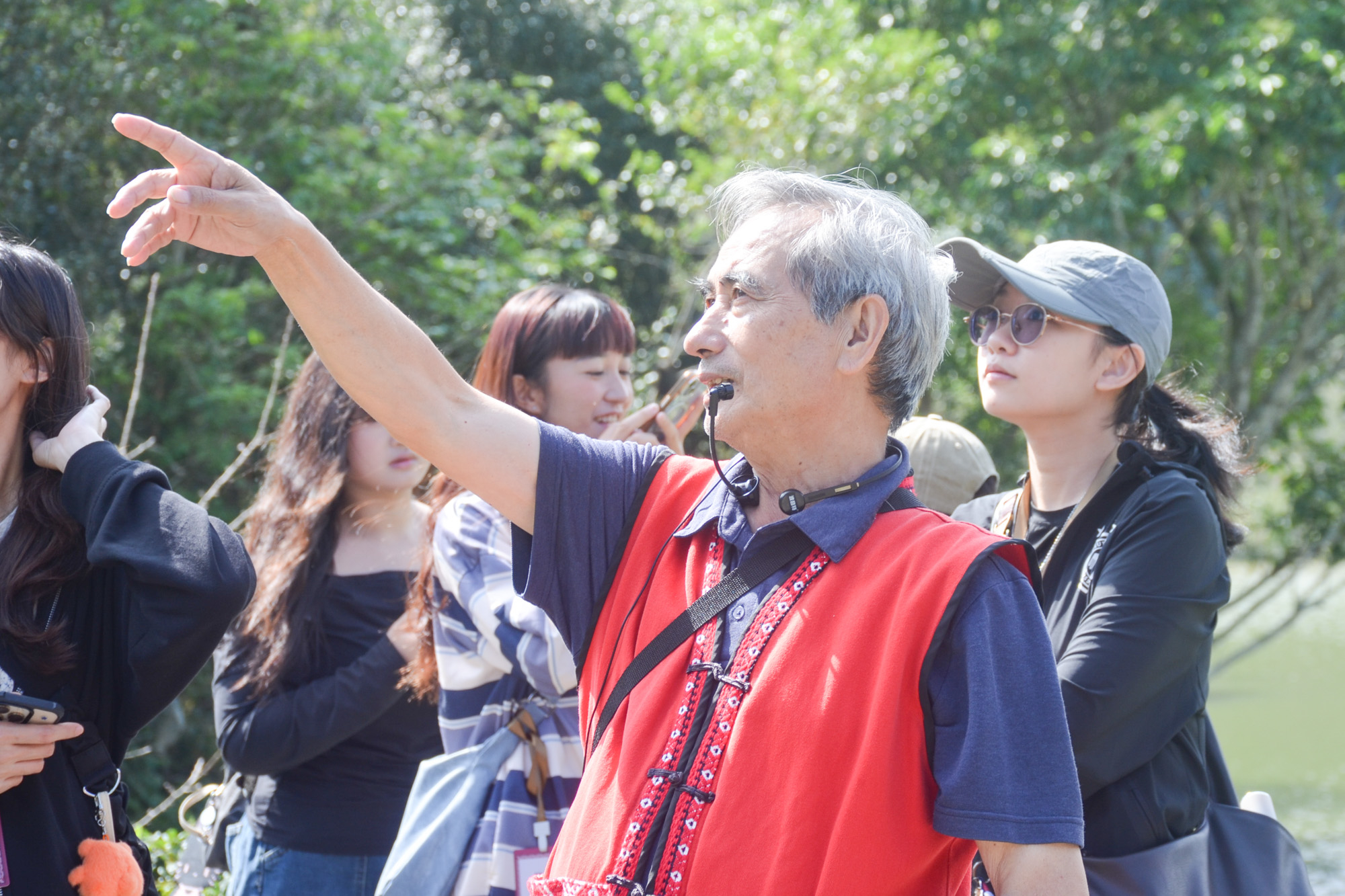
A Saisiyat elder guided participants around the lake, introducing plants traditionally used for food, weaving and household objects. The tour highlighted how generations of Saisiyat people have incorporated knowledge of local ecosystems into everyday life. Together, the museum visit and outdoor activities offered complementary perspectives on the preservation and transmission of Indigenous knowledge.
An NTNU student advisor who had previously attended the Saisiyat Pas-ta'ai ceremony shared that the visit helped her better understand its ceremonial traditions. Although she had participated in the festival before, she only learned through conversations with community members that she had attended the smaller-scale ceremony. Their explanations clarified the distinctions between the major and minor ceremonies, demonstrating how direct dialogue can deepen cultural understanding beyond participation alone.
Traditional Rice Brewing and Ceremonial Bell-Making Foster Intercultural Exchange
In the Walo community of Nanzhuang Township, participants visited a local restaurant specializing in Saisiyat cuisine. They sampled dishes prepared with locally sourced ingredients, including mountain pepper, aromatic herbs, bamboo shoots and pigeon peas, before taking part in a traditional rice-brewing workshop.
shumimayao, an Amis student from Taitung in NTNU's Department of Athletic Performance, was particularly impressed by the brewing experience. Learning how glutinous rice is mixed with water and fermentation starter provided insight into traditional Saisiyat brewing practices and the cultural significance of rice wine in Indigenous communities.
Gilrawys, a Puyuma student from the Nanwang community in Taitung and also a student in the Department of Athletic Performance, welcomed the opportunity to learn about another Indigenous culture. Making traditional ceremonial bells by hand gave him a greater appreciation of the craftsmanship and attention to detail involved in producing cultural accessories and objects.
The center's director reiterated its commitment to encouraging NTNU students, faculty and staff to engage with Indigenous communities through field visits, cultural activities and direct exchanges. The visit provided a setting in which Indigenous students from different communities could share their own experiences while learning about Saisiyat traditions, fostering a deeper appreciation of Taiwan's Indigenous cultural diversity.